Für ihn gab es nie einen Grund zu fragen, was mich so erschreckt hatte.
Die Angst selbst war das Problem.
Und ich war angeblich derjenige, der korrigiert werden musste.
Es ist schwer zu erklären, wie einsam eine solche Kindheit werden kann.
Ich war nicht immer physisch allein.
Um mich herum waren Menschen, es gab gewöhnliche Alltagsroutinen und Momente, in denen die Außenwelt völlig normal aussah.
Das war mit ein Grund dafür, dass alles so verwirrend war.
Aus der Ferne betrachtet sah mein Leben nicht immer so aus, als ob es einer Rettung bedurfte.
Die schlimmsten Momente kündigten sich der Nachbarschaft nicht an.
Sie ereigneten sich hinter ganz normalen Mauern.
Sie ereigneten sich in Gesprächen, die später als Missverständnisse beschrieben werden konnten.
Und der Verantwortliche war bemerkenswert fähig, vernünftig zu wirken, wann immer er glaubte, dass jemand Wichtiges zusehen könnte.
Ich begann zu glauben, dass ich niemals in der Lage sein würde, den Unterschied zwischen dem Mann, den andere sahen, und dem Mann, den ich kannte, zu erklären.
Also habe ich es aufgegeben.
Stattdessen gab ich mir selbst ein Versprechen.
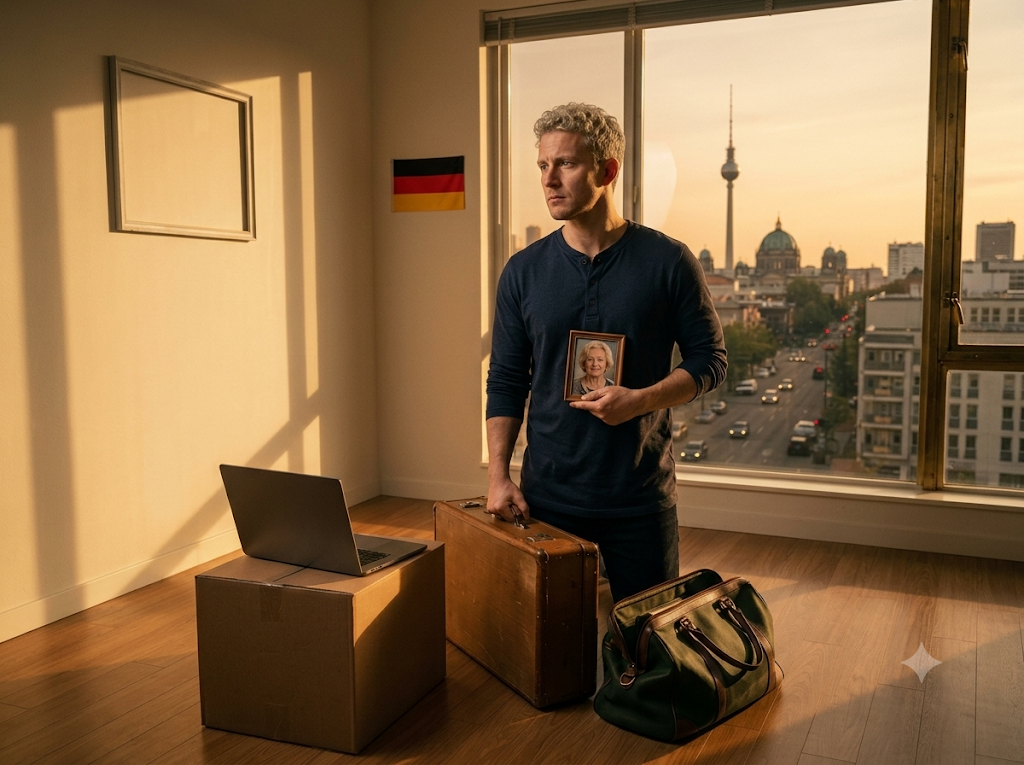
Ich würde gehen.
Ich wusste noch nicht genau wie.
Ich wusste nicht, was für ein Leben ich mir aufbauen würde oder ob ich die nötigen Fähigkeiten besaß, um irgendwo jenseits seiner Reichweite Erfolg zu haben.
Aber ich wusste, dass ich nicht den Rest meines Lebens damit verbringen konnte, auf Schritte vor einer Tür zu warten.
Ich wollte irgendwo leben, wo ich nicht die Konsequenzen jedes einzelnen Satzes abwägen musste.
Ich wollte einen Fehler machen, ohne dass mir gesagt wurde, dass dadurch etwas grundlegend falsch mit mir sei.
Vor allem wollte ich herausfinden, wer ich bin, wenn seine Stimme nicht mehr die lauteste in meinem Leben ist.
Das Militär gab mir schließlich diese Gelegenheit.
Und diese Entscheidung veränderte alles.
People sometimes assume that someone who grew up frightened would avoid an environment built around discipline, authority, and pressure.
For me, the difference was immediate.
Military training was demanding.
There were instructions to follow, standards to meet, inspections to prepare for, and corrections delivered with absolute clarity.
There were days when my body ached from exertion and nights when exhaustion made even simple tasks feel difficult.
But there was something profoundly different about the expectations.
They were not supposed to change according to someone’s private anger.
A task had a purpose.
A standard could be learned.
An error could be corrected.
And, most importantly, correction did not automatically mean that I was worthless.
That distinction was almost overwhelming.
At first, I reacted to raised voices with the old instinctive tension.
My shoulders tightened.
My thoughts accelerated.
I worried that a single mistake would become the beginning of something much worse.
But the longer I trained, the more I began to understand the structure around me.
When I was ordered to complete a task, I was expected to complete it.
When I failed to meet a standard, I was expected to improve.
When I succeeded, the success was acknowledged.
There was no need to search endlessly for hidden meanings.
A clear command was simply a command.
I learned to listen, act, assess, and adapt.
Those skills eventually became second nature, but during the early stages of training they required me to overcome habits that had been forming since childhood.
One of the hardest was accepting that I could be wrong without being broken.
I remember struggling with that distinction.
I could receive a correction about something ordinary and feel a familiar wave of shame rising through me.
My mind wanted to turn a specific mistake into a judgment about my entire character.
I had to teach myself to stop.
The task was wrong.
That did not mean I was wrong as a person.
I could fix the task.
That did not require me to hate myself.
It sounds simple when expressed in a few sentences, but for me it was an enormous change.
I had spent years living with someone who deliberately blurred those lines.
The military, despite its demands, began helping me separate them.
There were moments when I discovered abilities I had never been encouraged to recognize.
I could concentrate under pressure.
I could remember complicated instructions.
I could remain patient when exhausted.
I could help others without needing to diminish myself.
And when an unfamiliar situation demanded a decision, I sometimes found that I had already noticed details other people had missed.
At first, I thought those abilities were accidents.
Gradually, I understood that some had developed from years of watching everything around me.
The vigilance that had once protected me inside my childhood home had taught me to notice changes in tone, movement, and behavior.
I still had to learn how to use that awareness without allowing it to control my life.
Doch ich begann zu erkennen, dass meine Vergangenheit meine Fähigkeiten nicht ausgelöscht hatte.
Popular Posts
→- 1
- 2
- 3
- 4




Recently Viewed
Stories you read recently will appear here.